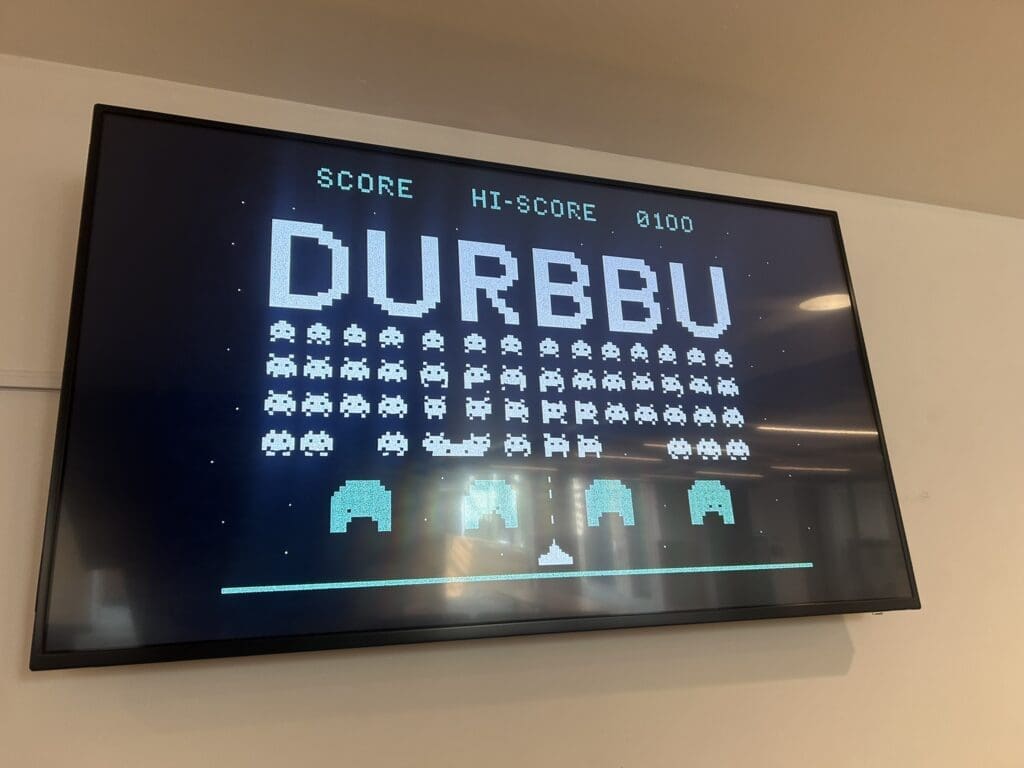
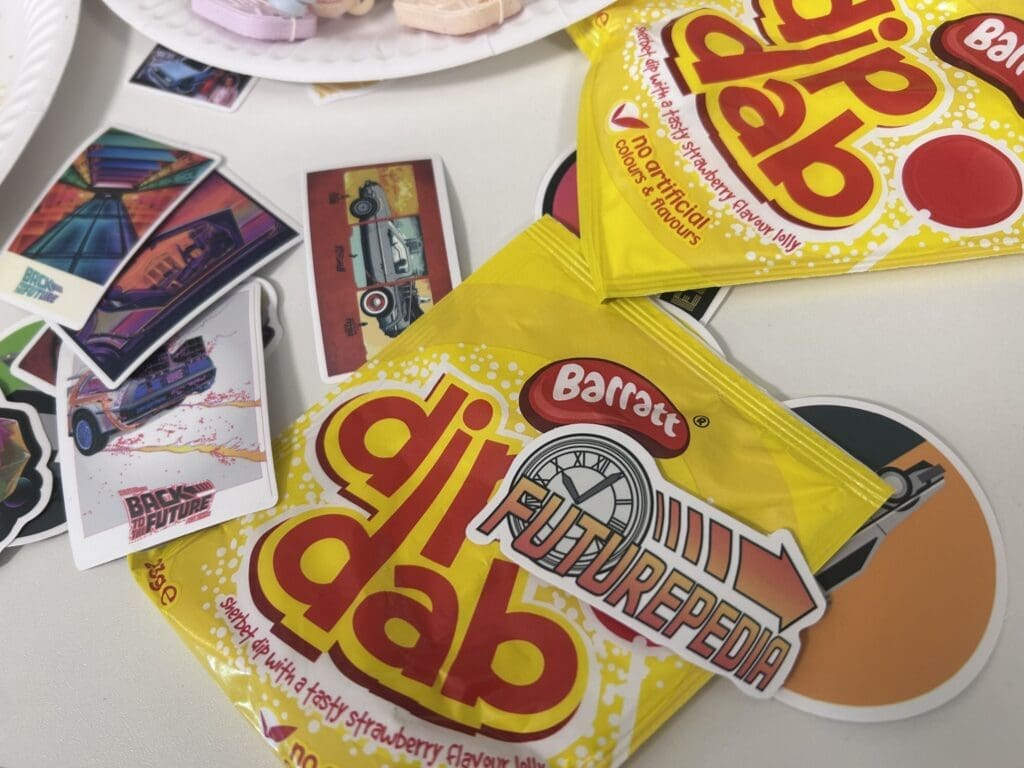
This year the Blackboard Users’ Conference at Durham University had an 80’s theme which was a great way of connecting the past to the present. This enabled us to surface the big technology shifts we’ve already lived through to make sense of the ones we’re navigating now. Now in its 24th year, the conference brings together digital learning professionals from higher education institutions across the UK to share practice, explore new ideas, and shape the future of digital learning. Workshops named after iconic song titles, lots of nostalgic sweets to keep our energy levels up, and images referencing the music and films from the ’80s worked perfectly to set the scene. But the main focus of the conference was to explore one key question: what are the little things that will make the big difference?

Wednesday: Grade smarter
The conference officially opened on the Thursday, but delegates could join an optional afternoon of workshops the day before. I chose Grade Smarter, a session led by Blackboard on new enhancements to the gradebook experience and future development areas. Short term – there are some new intuitive workflows which will make navigating through the gradebook easier. Long term – Blackboard are looking to develop feedback mechanisms that support the learning process rather than just responding to the end product (summative assessment).
What I appreciated most from this session was having direct access to the Blackboard development team and hearing the types of questions other universities were asking them. It showed that Blackboard were really keen to use the community’s feedback to shape future developments for the platform.
Thursday: Community voice
The highlight of Thursday was the Dragon’s Den session – universities pitching small ideas to a panel of Blackboard and community ‘dragons’, with the room voting on their favourites, which worked brilliantly.
Two pitches stood out. The first: a continuous dialogic feedback loop – a dedicated space within Blackboard where students can see and reflect on all feedback received across their whole programme, not just module by module. Feedback as an ongoing conversation rather than a series of disconnected comments. Blackboard representatives were very keen on this which was great to hear as this links directly with the current work being carried out at UWE through the feedback working group.

The second, which won the audience vote, was simpler. The ability for students to save, favourite, or return later to content within Blackboard. Like they do on Instagram and on Spotify. A small feature request, but one that says something significant about how and when students actually want to access their learning. I pictured a student heading home after a full day at university, pinning bits of content they want to come back to, curating their own learning journey in the same intuitive way they navigate everything else in their digital lives. It seems like a little thing but giving students the agency to shape their own path through their learning could make a massive difference.
Friday: Where assessment is heading
The sessions I attended all pointed in the same direction – moving away from offering single opportunities to evidence that learning has happened towards something more process-driven and transparent on what we’re actually measuring. AI was a big theme within this.
The session that stood out most for me was Back to the Future of Assessment, led by Lisa Clark and Sarah Hallam from Blackboard. The session explored Bloom’s Taxonomy and how AI is now impacting different levels of it – challenging assumptions about how we know learning has happened. If AI can do the creating, the analysing, even the evaluating, what does that mean for how we design assessment? The session made a compelling case for multimodal assessment as a way of responding to this – using a range of assessment types and formats to build a more complete picture of student learning that AI alone can’t replicate.
Students still need genuine subject knowledge to use AI well. Without that grounding, they can’t ask it the right questions – and they can’t critically evaluate what it gives back. Knowing your subject isn’t becoming less important in an AI-enabled world. If anything, it’s becoming more important
Finally, hearing about the LOUISA project from the University of Edinburgh landed closest to home for my role as Digital Assessment Lead. A structured programme to standardise assessment workflows across document submission, media, and group work – tested with 33 courses through an early adopter programme. The key insight: assessment workflows involve a whole range of professional services colleagues, not just academics. Edinburgh mapped the full end-to-end process which has allowed them to provide effective guidance and support for tested workflows.
My colleagues, Helga Gunnarsdottir and Marieke Guy, also facilitated a workshop on ‘Project to practice: Students as co‑creators in the future of Blackboard’ early in the afternoon. At UWE we have been working closely with students during our move to Ultra, and will continue to do so in the future.
The EdTech partner landscape
There were a few ed tech companies attending but the two that stood out to me as being aligned with the direction of travel for assessment at UWE were FeedbackFruits and Portflow. They showed how their tools support the learning process over the end product and how skills development can be evidenced over time.
What I’m bringing back to UWE
Three things I’m actively taking forward:
- Map common assessment workflows with ITS, SPS, and academic teams – the full end-to-end process, not just what happens inside Blackboard. The LOUISA model is a useful blueprint.
- Explore dialogic feedback in Ultra – before looking externally, I want to fully understand what’s already possible natively in the platform.
- Harness automation to support workload – making good practice sustainable at scale, so staff can focus on the parts that genuinely require human judgement.
‘Little things that make a big difference.’ I came away thinking of how we can use this theme as a method in how we approach digital learning design. Start with the specific idea, map the workflow, identify the barriers and bring the right people into the room to design a solution.
Carrying on this theme, I’m keen to hear from any UWE staff on what’s the small change you’ve made in an assessment or feedback practice that’s made the biggest difference? Do get in touch.